




A Comprehensive Guide to Regaining Bladder Control for Women
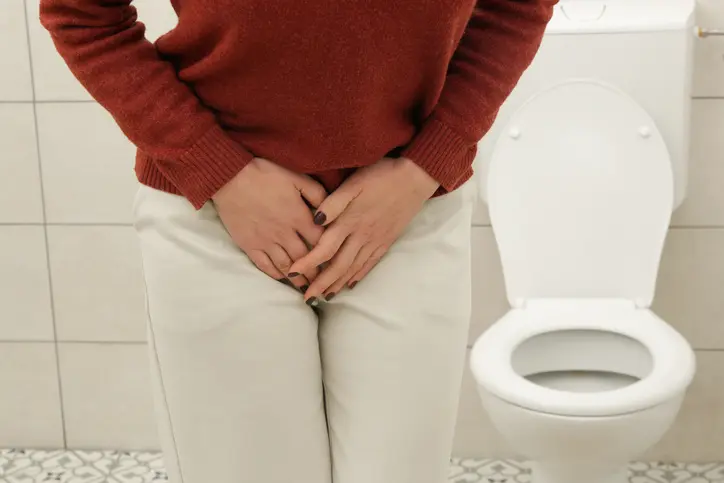
Urinary incontinence affects over 25 million Americans, with women experiencing it twice as often as men. Despite its prevalence, many women suffer in silence, believing bladder leakage is simply an inevitable part of aging or motherhood.
At Aguirre Specialty Care in Denver, we’re committed to breaking this misconception. Urinary incontinence isn’t something you must endure, it’s a medical condition with effective treatment options that can dramatically improve your quality of life.
Many women delay seeking help due to embarrassment or the mistaken belief that nothing can be done. This hesitation often leads to social isolation, decreased physical activity, and diminished confidence. The good news? Most female urinary incontinence cases can be significantly improved or even cured with proper diagnosis and treatment.
Types of Urinary Incontinence: Identifying Your Symptoms
Understanding which type of incontinence you’re experiencing is crucial for effective treatment. Let’s explore the primary categories:
Stress Urinary Incontinence
This most common form occurs when physical movement puts pressure on your bladder. Leakage happens during activities like coughing, sneezing, laughing, or exercising. Stress incontinence primarily affects women and results from weakened pelvic floor muscles often caused by childbirth, hormonal changes, or aging.
Urge Incontinence (Overactive Bladder)
Characterized by a sudden, intense urge to urinate followed by involuntary leakage, this condition is often referred to as “overactive bladder” (OAB). Women with this condition typically experience frequent urination (more than 8 times daily) and may wake multiple times at night to use the bathroom. This type stems from bladder muscle spasms or nerve signaling problems that trigger your bladder to contract at inappropriate times.
Overflow Incontinence
Less common in women but still significant, overflow incontinence occurs when the bladder cannot empty completely, leading to frequent or constant dribbling. The bladder fills beyond capacity, causing urine to leak. This type is often associated with pelvic organ prolapse or urethral obstruction in women.
Mixed Incontinence
Many women experience a combination of incontinence types, most frequently stress and urge incontinence together. This requires a carefully tailored treatment approach addressing multiple causes simultaneously.
Root Causes: Understanding Why Women Experience Leakage
Female urinary incontinence has numerous potential causes, many of which are addressable with proper treatment.
Women-Specific Factors
Women face unique anatomical and hormonal challenges that contribute to incontinence:
- Pregnancy and childbirth: The weight of pregnancy and vaginal delivery can stretch and weaken pelvic floor muscles and damage nerves that control bladder function.
- Menopause: Decreasing estrogen levels thin the urethral lining and reduce muscle tone, making incontinence more likely.
- Pelvic organ prolapse: When the uterus, bladder or other pelvic organs shift from their normal position, they can affect urinary function.
- Hysterectomy: Surgery to remove the uterus can sometimes damage supporting tissues and nerves around the bladder.
Systemic and General Causes
Several medical conditions can contribute to female incontinence:
- Neurological disorders: Multiple sclerosis, Parkinson’s disease, stroke, and spinal injuries can disrupt nerve signals controlling the bladder.
- Diabetes: High blood sugar can damage nerves and increase urination frequency.
- Urinary tract infections: UTIs cause irritation and urgent, frequent urination.
- Constipation: A full bowel can put pressure on the bladder and urethra.
- Obesity: Excess weight puts additional pressure on the pelvic floor and bladder.
Temporary Triggers
Sometimes incontinence is situational, caused by:
- Medications: Diuretics, sedatives, and some antidepressants can affect bladder function.
- Dietary irritants: Caffeine, alcohol, spicy foods, citrus, and artificial sweeteners can stimulate the bladder.
- High fluid intake: Especially right before bedtime.
Diagnostic Process: What to Expect at Your Appointment
When you visit Aguirre Specialty Care for urinary incontinence, our comprehensive diagnostic approach includes:
1. Symptom Assessment and Bladder Diary
You’ll be asked to track your fluid intake, urination frequency, leakage episodes, and associated activities for several days. This valuable tool helps identify patterns and triggers specific to your condition.
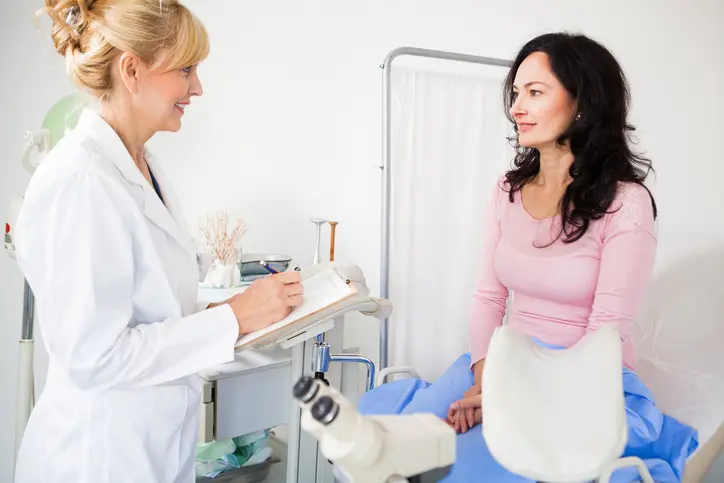
2. Physical Examination
You’ll undergo a pelvic examination to assess for prolapse, tissue quality, and pelvic floor strength. We evaluate pelvic floor muscle strength and look for anatomical issues contributing to your symptoms.
3. Specialized Testing
Depending on your symptoms, we may recommend:
- Urinalysis: To rule out infection or other urinary abnormalities
- Post-void residual measurement: Ultrasound or catheterization to check for incomplete bladder emptying
- Urodynamic testing: For complex cases, these tests measure bladder pressure and function during filling and emptying
- Cystoscopy: In select cases, to visualize the inside of the bladder and urethra
Treatment Options for Women at Aguirre Specialty Care
At Aguirre Specialty Care, we provide specialized treatments tailored to your specific type of urinary incontinence. Our comprehensive approach includes both non-surgical and surgical options designed specifically for women’s needs.
Non-Surgical Treatments
FemiLift™
This non-invasive vaginal laser therapy stimulates collagen production to strengthen the vaginal walls and supporting tissues, helping to improve stress urinary incontinence.
O-Shot®
Using platelet-rich plasma (PRP) derived from your own blood, this treatment rejuvenates vaginal tissue and improves urethral support to reduce incontinence symptoms.
Kegel Exercises
Properly performed pelvic floor muscle exercises can significantly strengthen the muscles supporting your bladder and improve continence.
Pelvic Floor Therapy
Our specialized physical therapists provide targeted exercises, biofeedback training, and techniques to strengthen pelvic floor muscles and improve bladder control.
Percutaneous Tibial Neuromodulation (PTNS)
This minimally invasive procedure uses gentle electrical stimulation of nerves in the ankle to improve bladder function and reduce urge incontinence.
Low-dose Vaginal Estrogen
For postmenopausal women, topical estrogen can improve tissue quality and urethral function.
Vaginal Pessary
This removable device is inserted into the vagina to provide support to the bladder and urethra, reducing stress incontinence.
Overactive Bladder Medications
Various medications can help calm bladder muscle spasms and increase bladder capacity to reduce urge incontinence.
Surgical Treatment Options
Suburethral Sling
A minimally invasive procedure that places a small supportive mesh beneath the urethra to prevent leakage during activities that increase abdominal pressure.
Burch Colposuspension
This procedure lifts and secures the tissues near the bladder neck and urethra to provide support and reduce stress incontinence.
Injectable Bulking Agents
Materials injected around the urethra to improve closure and reduce stress incontinence.
- Bulkamid® Urethral Bulking System: A unique hydrogel that’s injected to add volume around the urethra, improving closure and reducing stress incontinence with minimal side effects.
Sacral Neuromodulation / Sacral Nerve Stimulation
Advanced treatments that use specialized devices to regulate nerve signals between the bladder and brain.
InterStim™ Therapy
A small device similar to a pacemaker that delivers mild electrical impulses to sacral nerves, improving bladder control for various types of incontinence.
Axonics® Therapy
A rechargeable sacral neuromodulation system that provides long-term therapy for bladder control.
BOTOX® for Incontinence
Botox injections into the bladder muscle can help reduce contractions that cause urge incontinence, providing relief for several months per treatment.
Take Control of Your Bladder Health Today
If urinary leakage is affecting your quality of life, don’t wait to seek help. You should consult a specialist if:
- You regularly avoid activities due to fear of leakage
- You find yourself planning outings around bathroom access
- You’re using pads or protective garments regularly
- Your symptoms are worsening
- Incontinence disrupts your sleep or daily activities
At Aguirre Specialty Care, we understand the significant impact urinary incontinence can have on a woman’s confidence and lifestyle. Our compassionate, specialized team offers the latest diagnostic techniques and treatment options in a comfortable, discreet setting designed specifically for women’s needs. Remember, urinary incontinence isn’t just a normal part of aging or motherhood. It’s a treatable condition, and effective solutions are available.
Don’t let bladder leakage control your life any longer. Contact Aguirre Specialty Care today to schedule your confidential consultation and take the first step toward bladder confidence.