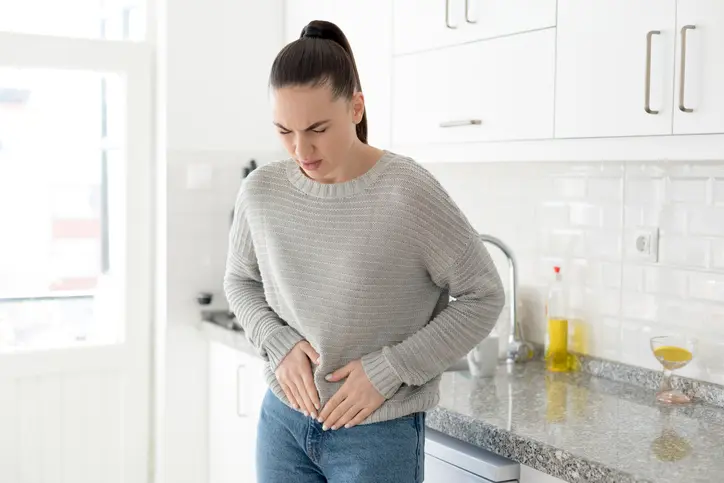





You might be gearing up for a Saturday morning hike up the steep inclines of the Manitou Incline, or simply trying to navigate the crowded, winding aisles of the Cherry Creek Farmers Market, when it hits you: a dragging, heavy ache deep in your lower abdomen. It is a frustrating, exhausting reality for countless women across Denver and the Front Range. You know something feels intrinsically “off” inside your body, but when you search for answers online, the medical terminology becomes a tangled web. Is it your internal organs dropping, or is it an issue with your blood vessels?
Without accurate, specialist-level diagnosis from a qualified professional, many women spend years chasing the wrong treatments and living with unnecessary pain. At Aguirre Specialty Care, we specialize in female pelvic medicine and frequently help women understand exactly what is happening inside their bodies.
The two most frequently confused culprits behind this chronic heaviness are pelvic organ prolapse and pelvic congestion syndrome. While they can both make sitting at your desk in LoDo incredibly uncomfortable, their root causes, mechanical pathways, and surgical treatments are entirely different.
What is Pelvic Organ Prolapse?
Pelvic organ prolapse is a medical condition that occurs when the structural support of the pelvic floor weakens, causing organs like the bladder, uterus, or rectum to descend from their normal anatomical positions. This herniation frequently results in a noticeable vaginal bulge, functional voiding difficulties, and significant pelvic pressure.
The Mechanics of the Drop
To truly understand prolapse, we have to look closely at the structural integrity of your pelvic floor muscles. Vaginal childbirth, chronic coughing, or intense heavy lifting can overstretch the levator hiatus. The levator hiatus, which essentially means the primary muscular opening in your pelvic floor, gradually loses its natural elasticity. This loss of elasticity removes the critical support “hammock” beneath your pelvic organs. Without this supportive hammock, gravity inevitably forces the organs downward into the vaginal canal, creating that unmistakable, distressing sensation of something falling out of your body.
If you suspect this structural shift is happening to you, learning about the specific types, grades, and advanced treatments for pelvic organ prolapse is your crucial first step toward recovery.
What is Pelvic Congestion Syndrome (PCS)?
Even if previous healthcare providers dismissed your heavy, aching pain as “just normal period cramps,” you might actually be dealing with a complex vascular issue.
While prolapse is fundamentally a structural dropping of organs, Pelvic Congestion Syndrome (PCS) is a circulatory disorder. It is characterized by pelvic venous insufficiency. Pelvic venous insufficiency essentially means you have varicose veins developing deep inside your pelvic cavity.
The Inflammatory Cascade of PCS
The biological mechanism here is entirely distinct from prolapse. During multiple pregnancies, or due to underlying genetic factors, the delicate valves in your ovarian and pelvic veins can fail. When these valves fail, venous blood flows backward and pools. This abnormal pooling stretches the vein walls, triggering a localized inflammatory cascade. The inflammation relentlessly irritates surrounding pelvic nerves, producing a chronic, dull ache that predictably worsens after prolonged standing or walking.
Prolapse vs. Congestion: The Telltale Signs
Telling the difference between these two conditions requires a highly nuanced understanding of your specific daily symptoms. While both cause “heaviness,” the specific triggers vary wildly. Here is a clear breakdown of how they typically present in our patients:
|
Symptom Feature |
Pelvic Organ Prolapse |
Pelvic Congestion Syndrome |
|
Primary Sensation |
A feeling of a physical bulge, lump, or “ball” in the vagina. |
A deep, dull, aching heaviness without any palpable vaginal bulge. |
|
Positional Triggers |
Worsens noticeably with physical exertion, coughing, sneezing, or bearing down. |
Worsens dramatically after prolonged standing or sitting; improves significantly when lying down flat. |
|
Pain Level |
Usually described as uncomfortable, dragging pressure or pulling, rather than a sharp pain. |
Often presents as chronic, throbbing pelvic pain that steadily intensifies throughout the day. |
|
Intimacy |
Can cause mechanical interference, lack of sensation, or discomfort during intercourse. |
Frequently causes profound, lingering pain both during and immediately after intercourse (dyspareunia). |
|
Visual Signs |
Pink or red tissue visibly protruding from the vaginal opening. |
Visible, bulging varicose veins on the upper thighs, buttocks, or external genitals (vulva). |
Why Accurate Diagnosis Matters at Aguirre Specialty Care
You cannot effectively treat swollen varicose veins with a structural silicone pessary, nor can you surgically fix a dropped bladder with vein embolization techniques. You need pinpoint, unwavering diagnostic accuracy.
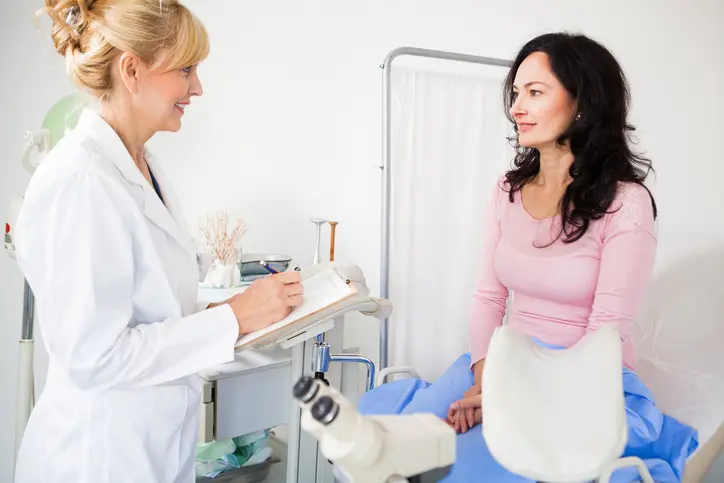
At Aguirre Specialty Care, our approach relies heavily on advanced diagnostics and over two decades of dedicated subspecialty experience. Dr. Oscar A. Aguirre is a highly respected, board-certified and fellowship-trained urogynecologist. A urogynecologist, which is a surgeon who has completed years of specialized reconstructive training beyond general obstetrics and gynecology, possesses the precise expertise required to confidently differentiate between these complex pelvic floor disorders.
We don’t just guess at the source of your pain based on a brief conversation. We evaluate your complete, interconnected pelvic anatomy. Our premier Denver-area clinic, conveniently located in Parker, features the state-of-the-art Milestone Surgery Center. This dedicated, AAAHC-accredited, multi-specialty ambulatory surgical facility ensures that whether you require a minimally invasive reconstructive procedure for prolapse or a collaborative, multi-disciplinary approach for pelvic congestion, your care is handled with the utmost privacy, comfort, and technological precision.
You deserve to enjoy everything the active Colorado lifestyle has to offer without being constantly sidelined by an invisible pelvic heaviness. To empower yourself with even more clinical knowledge about these complex, interconnected conditions, we highly recommend reviewing the rigorous, peer-reviewed resources provided by the National Institutes of Health on Pelvic Floor Dysfunction.
The Next Step for Your Pelvic Health
Stop letting unexplainable pelvic pressure dictate your daily routine and steal your joy. If you are experiencing a dragging sensation, uncomfortable bulging, or chronic aching that won’t go away, the time to seek expert, compassionate evaluation is right now.
We warmly invite you to request a personal consultation with Dr. Aguirre and our dedicated nursing team. Together, we will thoroughly uncover the true root cause of your symptoms and meticulously design a personalized, evidence-based treatment plan that restores your body confidence, your physical comfort, and your quality of life.