



Many women hesitate to talk about sexual changes, even when those changes are affecting their confidence, relationships, and quality of life. Maybe orgasm feels harder to reach than it used to. Maybe intimacy feels less intense, less responsive, or less satisfying. Maybe you know something feels different, but you are not sure how to describe it.
Two of the most common concerns we hear are difficulty achieving orgasm, also called anorgasmia, and reduced sensitivity. These problems are more common than many women realize, and they can happen for many reasons, including hormonal changes, aging, childbirth, pelvic floor issues, medications, or changes in blood flow and tissue health. Orgasmic problems can include taking longer to orgasm, having fewer orgasms, or having less intense orgasms. Anorgasmia is defined as delayed, infrequent, absent, or less-intense orgasms that cause distress.
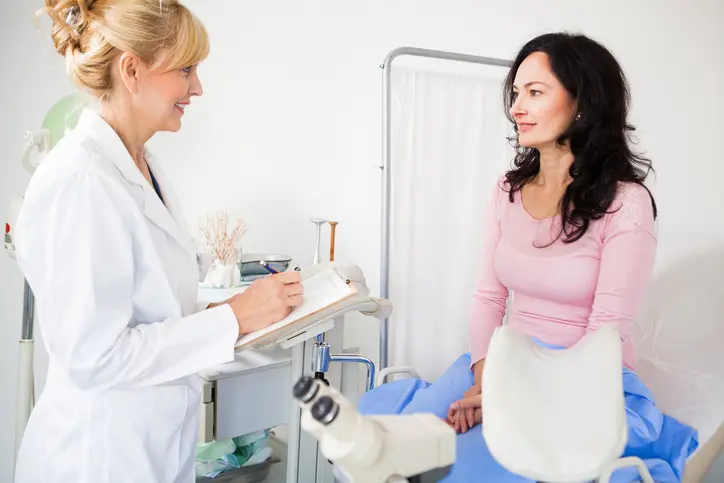
At Aguirre Specialty Care, the goal is not to dismiss these concerns or reduce them to “just aging.” The goal is to understand what may be contributing to your symptoms and whether treatment can help restore comfort, sensation, and sexual wellness.
What Is Anorgasmia?
Anorgasmia is the medical term for persistent difficulty reaching orgasm, reaching orgasm less often, or experiencing orgasms that feel less intense than before. It can be lifelong or something that develops later in life. It can also be situational, meaning orgasm happens only in certain circumstances, or generalized, meaning it is difficult across the board. Mayo Clinic and Cleveland Clinic both describe anorgasmia this way and note that it becomes a medical concern when it causes distress or affects well-being.
That distinction matters. Sexual function is personal, and not every woman has the same goals or expectations. But if reduced response, muted pleasure, or difficulty climaxing is making intimacy frustrating, discouraging, or emotionally distant, it deserves a real conversation.
Reduced Sensitivity: When Intimacy Feels Less Intense
Some women do not describe the problem as orgasm difficulty at all. Instead, they say they feel “numb,” “less responsive,” or “not as sensitive as before.” In some cases, the issue may involve changes in tissue quality, blood flow, lubrication, or stimulation of the clitoral and vaginal tissues. Aguirre Specialty Care describes the O-Shot® as using platelet-rich plasma, or PRP, injected into the clitoris and anterior vaginal wall to enhance sensation and sensitivity.
It is important to remember that reduced sensitivity is not always caused by one single issue. For some women, anatomy plays a role. For others, tissue health or circulation may be more important. And for many, several factors overlap at once.
So, What Is PRP?
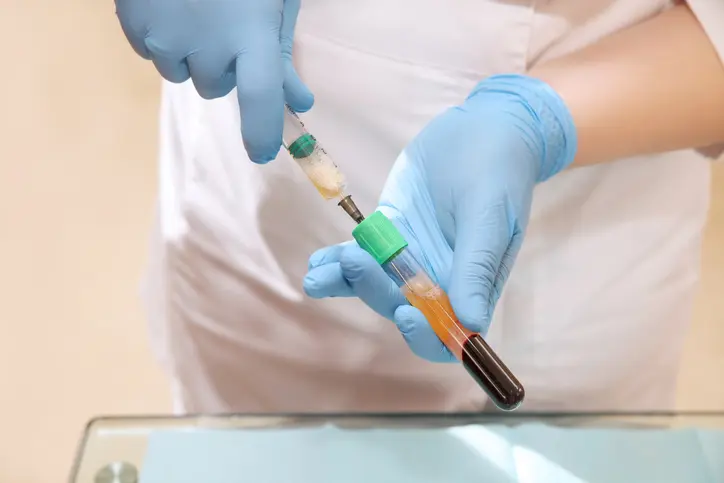
PRP stands for platelet-rich plasma. It is made from a small sample of your own blood. That blood is spun in a centrifuge to separate out a concentrated layer of platelets and plasma. Platelets are best known for helping the body clot after an injury, but they also release growth factors, which are signaling proteins that help support tissue repair and healing. That is the basic science behind PRP: using a concentrated part of your own blood to encourage regeneration in targeted tissue. Clinical reviews describe PRP as an autologous treatment, meaning it comes from the patient’s own body, and note that its potential effects are tied to the release of growth factors involved in healing, cell proliferation, and blood vessel formation.
In simple terms, PRP is not a hormone and it is not a filler. It is your body’s own concentrated healing material, placed in an area where improved tissue health and blood flow may be beneficial.
How the O-Shot® Works
At Aguirre Specialty Care, the O-Shot® involves drawing a patient’s blood, processing it into PRP, and then injecting that PRP into the clitoris and the anterior vaginal wall. The clinic explains that this treatment is intended to increase sensation and sensitivity and may help women who struggle with dull sensation, orgasm difficulty, or other sexual wellness concerns.
The theory is straightforward: if PRP can support tissue rejuvenation and blood flow in these areas, some women may notice improved responsiveness, stronger sensation, or easier orgasm over time. Aguirre Specialty Care notes that changes may become noticeable over the course of days to weeks, with many women reporting improvement within a few weeks.
But Does PRP Really Work?
There is early research suggesting that PRP may improve aspects of female sexual function in some patients, including orgasm and sexual satisfaction. For example, a 2019 study of women with sexual dysfunction and orgasmic disorder reported improvement in sexual function scores after PRP treatment to the anterior vaginal wall. More recent reviews also suggest PRP is promising for some vulvovaginal and pelvic floor conditions.
At the same time, the evidence is still limited. The studies are relatively small, treatment methods vary, and researchers continue to call for better-quality trials before drawing firm conclusions. So the best way to describe the O-Shot® is not as a guaranteed fix, but as a regenerative option that may help carefully selected patients, especially when reduced sensitivity and orgasmic difficulty appear related to tissue quality or local responsiveness.
That balanced approach is important because women deserve realistic expectations, not hype.
Clitoral Hood Reduction: When Anatomy May Be Part of the Problem
Not every case of reduced sensitivity is about tissue regeneration alone. In some women, anatomy may also contribute to the problem.
The clitoral hood is the fold of skin that covers and protects the clitoris. If that tissue is prominent or redundant, it may contribute to irritation, make stimulation less direct, or leave women feeling that the most sensitive anatomy is too covered. Cleveland Clinic explains that clitoral hood reduction removes excess tissue from the clitoral hood and is sometimes called clitoral unhooding or hoodoplasty.
In the right patient, clitoral hood reduction may help by uncovering more of the anatomy and reducing excess tissue that interferes with comfort or access to stimulation. However, this is an area where precision matters tremendously. The clitoris is highly sensitive, and surgery in this region should only be considered after careful evaluation by an experienced specialist. Cleveland Clinic specifically notes that the clitoral glans is extremely sensitive and that this surgery requires thoughtful counseling about risks and expectations.
The published literature on clitoral hood reduction suggests that, when properly performed, it does not appear to reduce sensitivity overall, and some patients report improved sexual satisfaction. But this is not a casual or one-size-fits-all procedure. It is an anatomy-based option for selected women, not a universal answer to orgasm concerns.
Which Treatment Makes Sense?
That depends on what is really causing the problem.
If the main issue is tissue response, blood flow, or decreased sensitivity, the O-Shot® may be worth discussing. If excess tissue around the clitoral hood appears to be physically limiting stimulation or causing discomfort, clitoral hood reduction may be part of the conversation. In some women, the best plan may involve a broader sexual wellness evaluation rather than one isolated procedure.
What matters most is not chasing a trend. It is identifying whether the issue is hormonal, anatomical, structural, psychological, medication-related, or regenerative in nature. Sexual function is complex, and good treatment starts with the right diagnosis.
A More Honest Conversation About Sexual Wellness
Women are often told to tolerate sexual changes in silence, especially if those changes seem less visible than other health problems. But difficulty achieving orgasm and reduced sensitivity are real concerns. They can affect intimacy, self-esteem, and relationships. And while there is no single treatment that works for everyone, there are options worth exploring.
The O-Shot® is one of those options. It uses PRP, a concentrated portion of your own blood rich in growth factors, with the goal of supporting tissue renewal and responsiveness in the areas most closely tied to female sexual sensation. Clitoral hood reduction is another option in cases where anatomy may be limiting direct stimulation. Both approaches are best understood not as quick fixes, but as targeted tools that may help the right patient under the right circumstances.
If you would like to learn more about this treatment option, visit Aguirre Specialty Care’s O-Shot® page.
If you want, I can draft the next one with the same voice and also include an SEO title, meta description, and excerpt.