




If you’ve been told that pain during intercourse is “just part of getting older” or “something you have to live with”—you were given bad information.
Painful sex has a name. It’s called dyspareunia. It affects an estimated 10 to 20 percent of women in their reproductive years. And it has identifiable medical causes that can be treated.
Your intimate health is not separate from your overall health. When intercourse is painful, it doesn’t just affect what’s happening in the bedroom—it affects your relationships, your sense of self, and your quality of life.
At Aguirre Specialty Care, we’ve heard the story hundreds of times: women who mentioned their pain to a provider and were dismissed. Told it was in their head. Offered a lubricant and sent home.
That response is inadequate. You deserve better.
What You’re Not Imagining
Dyspareunia is a legitimate medical condition. The pain you’re experiencing is real, and it has a source.
Possible causes include:
- Endometriosis – tissue similar to uterine lining growing outside the uterus
- Fibroids – benign growths in or around the uterus
- Vaginal atrophy – thinning, drying, and inflammation of vaginal walls from declining estrogen
- Scar tissue – often from childbirth injuries or pelvic surgery
- Vaginismus – involuntary tightening of the pelvic floor muscles that makes penetration painful or impossible
- Large or asymmetrical labia – structural concerns that cause friction and discomfort
Identifying the specific cause is essential. Treatment depends entirely on what’s driving your symptoms.
Two Roots of the Same Problem: Atrophy vs. Scar Tissue
The two most common causes Aguirre Specialty Care sees in Denver women are vaginal atrophy and scar tissue from childbirth. They require different approaches.
Vaginal Atrophy (Genitourinary Syndrome of Menopause)
Atrophy isn’t just about menopause. Estrogen levels begin declining long before hot flashes or other symptoms appear. This decrease affects vaginal tissue first—reducing blood flow, decreasing lubrication, and causing the vaginal walls to become thin, dry, and easily irritated.
Symptoms of atrophy include:
- Vaginal dryness and burning
- Pain with intercourse
- Light bleeding after sex
- Shortening and tightening of the vaginal canal
- Urinary urgency and frequent infections
The tissue literally atrophies without adequate estrogen stimulation. Sex becomes uncomfortable or unbearable. Many women avoid it entirely, which only allows the tissue to deteriorate further.
Scar Tissue from Childbirth
Childbirth, even uncomplicated deliveries, can leave scar tissue in the vaginal canal and perineum. Episiotomies, tears, and surgical interventions during delivery create areas of fibrous tissue that lack the elasticity of healthy tissue.
Scar tissue doesn’t stretch the way normal tissue does. When it pulls during intercourse, it causes sharp pain, burning, and restriction. The tissue may also trap nerve endings, creating persistent discomfort.
Women often assume this pain is just “how it is” after having children. It isn’t.
Your Treatment Options, Explained
Once your specific cause is identified, treatment can be targeted and effective.
FemiLift / MonaLisa Touch Laser Vaginal Resurfacing
Both FemiLift and MonaLisa Touch are CO2 laser systems designed to restore vaginal tissue. They work by resurfacing the vaginal wall, stimulating new cellular growth, boosting blood flow, and promoting collagen remodeling.
Benefits include:
- Increased vaginal lubrication
- Improved tissue elasticity
- Enhanced sexual sensation for both partners
- Reduced urinary incontinence symptoms
- No surgery, no hormones, no significant downtime
FemiLift and MonaLisa Touch are non-hormonal options, making them appropriate for women who cannot use estrogen therapy or prefer to avoid systemic treatment.
Topical Hormone Cream (Local Estrogen)
For atrophy specifically, topical estrogen applied directly to the vaginal tissue restores health without significant systemic absorption. Estrogen cream, tablets, ovules, or rings return the vaginal lining to a thicker, more lubricated state.
This isn’t the same as hormone replacement therapy. Local vaginal estrogen targets only the tissue that needs it.
Results typically include reduced dryness, improved comfort during intercourse, and decreased urinary symptoms. Many women notice improvement within weeks.
Pelvic Floor Botox for Muscle Spasms
When vaginismus or pelvic floor muscle spasms are the root cause, pelvic floor physical therapy is often the first-line approach. But for persistent cases, pelvic floor Botox offers a targeted solution.
Botox injections relax the overactive pelvic floor muscles that are involuntarily contracting. This breaks the cycle of pain leading to more tension leading to more pain.
The procedure is minimally invasive, performed in-office, and provides relief that allows women to participate more effectively in physical therapy. Results last several months, and many women find that PT combined with Botox resolves the issue long-term.
Why Seeing a Specialist Matters
General gynecologists are trained in reproductive health, not specifically in female sexual medicine and pelvic floor dysfunction. Many lack the diagnostic tools and treatment options to address persistent dyspareunia effectively.
At Aguirre Specialty Care, Dr. Oscar A. Aguirre is a board-certified urogynecologist with decades of experience in female pelvic medicine. He has helped women who suffered for years—sometimes decades—find relief after being dismissed elsewhere.
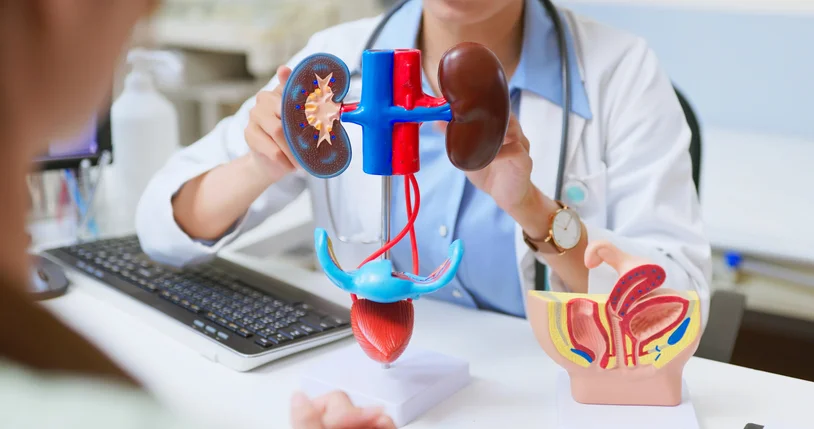
The difference is in the assessment. A proper workup identifies the specific anatomical and physiological cause of your pain. Only then can treatment be truly effective.
You Don’t Have to Live With This
If you’ve been enduring painful intercourse, avoiding intimacy, or convincing yourself this is just part of being a woman, know this: there are treatments that work.
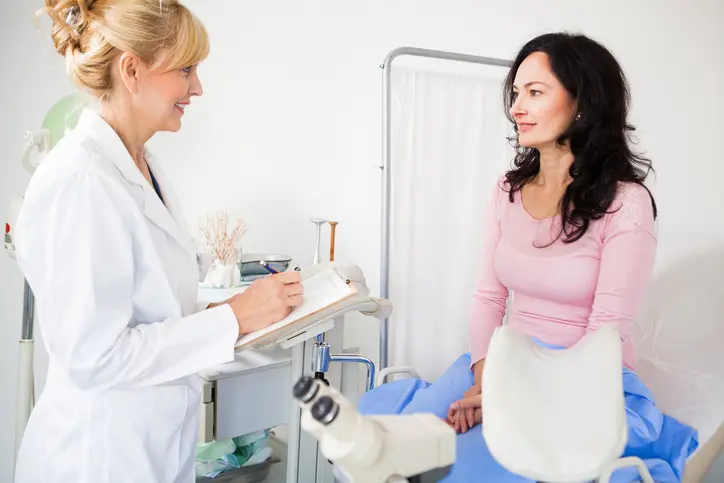
The path forward starts with a consultation. Someone who will listen. Someone who will examine you thoroughly. Someone who will identify the cause and build a treatment plan around it.
Aguirre Specialty Care in Parker, Colorado offers same-day consultations. Call 303-322-0500 or request an appointment online.
Your intimate life is worth investigating. And you deserve providers who take your pain seriously.