



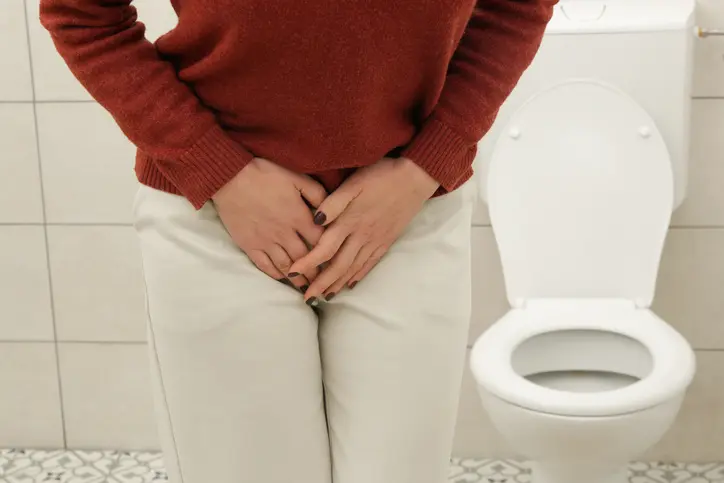
You sneeze in a Parker grocery aisle and feel a small leak. Or you turn your key in the front door and suddenly cannot make it to the bathroom in time. Both moments are urinary incontinence, yet they come from two very different mechanical problems. Aguirre Specialty Care treats both stress incontinence and urge incontinence, and identifying which type you have changes which treatment actually works.
Many women assume a leaky bladder is one single condition with one single fix. It is not. Naming the mechanism is the first step toward the right solution, so let us break down both.
What Is Urinary Incontinence?
Urinary incontinence is the involuntary leakage of urine caused by a breakdown in the bladder’s storage or control system. The two most common forms are stress urinary incontinence, triggered by physical pressure on the bladder, and urge urinary incontinence, driven by sudden, involuntary contractions of the bladder wall muscle. Both are diagnosable, treatable medical conditions.
Sound familiar already? You are not broken, and you are not alone. Aguirre Specialty Care has helped women across the south Denver region stop planning their lives around the nearest restroom.
Stress Incontinence: When Pressure Causes the Leak
Stress urinary incontinence (SUI) is a support problem, not a signaling problem. When you cough, sneeze, laugh, lift a toddler, or jump during a workout, the sudden abdominal pressure pushes down on the bladder. A weakened pelvic floor and a compromised urethral sphincter, the ring of muscle that keeps the urethra closed, cannot hold that pressure back. The result is a leak.
This is the type most women recognize after childbirth or menopause. Vaginal delivery stretches the pelvic floor. Declining estrogen thins the surrounding tissue. Thin tissue weakens the seal, and a weak seal leaks under pressure. Dr. Aguirre evaluates this loss of structural support directly rather than treating the leak as an inevitable part of aging.
Urge Incontinence: When the Bladder Won’t Wait
Urge urinary incontinence is a signaling problem. It is the leakage that comes with overactive bladder (OAB), the sudden, overwhelming need to urinate that arrives with almost no warning. Running water, cold weather, or that key-in-the-door moment can trigger it.
The mechanism sits in the bladder wall. The detrusor, the muscle that squeezes urine out, contracts on its own before your bladder is even full. These involuntary contractions override your control and produce urgency, frequency, and leaks. Aguirre Specialty Care treats this overactive muscle at its source rather than telling you to simply drink less water.
Stress vs. Urge Incontinence: A Side-by-Side Comparison
|
Feature |
Stress Incontinence (SUI) |
Urge Incontinence (OAB) |
|
Trigger |
Physical pressure: cough, sneeze, laugh, lift, jump |
Sudden urgency: running water, arriving home, cold |
|
Warning |
Predictable, tied to an activity |
Little to no warning |
|
Root cause |
Weak pelvic floor and urethral sphincter support |
Overactive detrusor (bladder wall) muscle |
|
Typical leak size |
Small squirts with each pressure spike |
Larger volume, harder to stop |
|
Common treatments |
Urethral bulking (Bulkamid), mid-urethral sling |
Bladder Botox, sacral neuromodulation |
Some women have both at once. Clinicians call this mixed incontinence, and it needs a plan that addresses each mechanism separately.
How Aguirre Specialty Care Treats Stress Incontinence
Because SUI is a support failure, the treatments restore the seal. Aguirre Specialty Care offers two proven options for stress incontinence.
Bulkamid is an injectable urethral bulking agent, a soft water-based gel placed into the urethral wall to plump the tissue and help it close more completely. It is minimally invasive and requires no external incision. For women who want a durable surgical correction, the mid-urethral sling (often called a TVT sling) supports the urethra with a thin ribbon of mesh, which essentially rebuilds the hammock that pressure had been overwhelming. Dr. Aguirre reviews the trade-offs of each so the choice matches your anatomy and your goals.
How Aguirre Specialty Care Treats Urge Incontinence
Because OAB is an overactive-muscle problem, the treatments calm the detrusor. The practice offers two advanced options once behavioral steps and medication have been explored.
Bladder Botox uses onabotulinumtoxinA, the same muscle-relaxing protein used cosmetically, injected into the bladder wall to quiet the involuntary contractions driving your urgency. When leaks are stubborn, sacral neuromodulation offers another path. This therapy, delivered through
Sacral Neuromodulation treatments such as InterStim Therapy or Axonics Therapy, place a small device that gently regulates the nerves controlling the bladder, which essentially resets the faulty signal between brain and bladder. Aguirre Specialty Care selects between these based on how your symptoms respond.
How to Tell Which Type You Have
You can gather strong clues before your visit. Aguirre Specialty Care recommends this simple self-assessment sequence:
- Note what triggers each leak. Pressure events (sneeze, lift) point to stress incontinence; sudden urgency points to urge incontinence.
- Track a two-day bladder diary: fluid in, trips to the bathroom, and every leak with its trigger.
- Notice whether you can reach the toilet in time. Making it, but leaking on the way, suggests urge; leaking during activity suggests stress.
- Bring the diary to your consultation, where urodynamic testing can measure exactly how your bladder stores and releases urine.
Self-tracking narrows the field, but only a clinical evaluation confirms the diagnosis and rules out mixed incontinence.
Frequently Asked Questions
Can I have both stress and urge incontinence?
Yes. Mixed incontinence combines both mechanisms, and Aguirre Specialty Care builds a plan that targets each one, since a single treatment rarely resolves both.
Is bladder leakage just a normal part of aging?
No. Leakage becomes more common with age and menopause, but common is not the same as normal or untreatable. Both stress and urge incontinence respond to treatment at any age.
Do I need surgery to fix incontinence?
Not necessarily. Many women improve with injectable, energy-based, or nerve-regulating therapies before surgery is ever considered. Dr. Aguirre starts with the least invasive option that fits your diagnosis.
How do I know which treatment to ask about?
Identify your leak pattern first. Pressure-driven leaks steer toward Bulkamid or a sling; urgency-driven leaks steer toward bladder Botox or sacral neuromodulation. Your evaluation confirms the match.
Stop Guessing and Start Treating
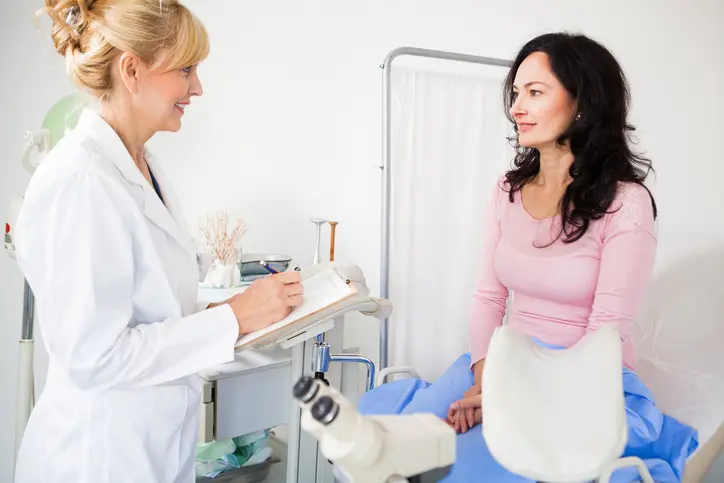
You do not have to map your day around bathrooms or keep a spare change of clothes in the car. Schedule your urinary incontinence evaluation at Aguirre Specialty Care and let Dr. Aguirre pinpoint whether stress or urge incontinence is behind your leaks, then match you to the treatment that resolves it.
Aguirre Specialty Care: urogynecology and stress and urge incontinence treatment for women in Parker and the greater Denver area.