




You noticed it in the shower: a soft bulge, a sense of heaviness low in the pelvis, as if something were settling downward by the end of the day. Maybe it eases when you lie down and returns when you stand. The question that follows is the one that keeps women up at night. Will this stay the same, or will it slowly get worse? Aguirre Specialty Care hears that question often, and the honest answer is: it depends on what you do next.
Prolapse is not a moral failing or a sign you did something wrong. It is a mechanical change in your pelvic support, and mechanical problems follow predictable patterns. Let us walk through them.
What Is Pelvic Organ Prolapse?
Pelvic organ prolapse is the descent of one or more pelvic organs, such as the bladder, uterus, or rectum, into or through the vaginal canal when the pelvic floor muscles and connective tissue weaken. Common types include cystocele (a dropped bladder), rectocele (a bulging rectum), and uterine prolapse. Prolapse ranges from mild and barely noticeable to severe.
That range matters, because where you sit on it shapes both your symptoms and your options. Aguirre Specialty Care evaluates prolapse by type and degree rather than treating every bulge as the same problem.
Does Pelvic Prolapse Get Worse Over Time?
It can, and often does, but not always at the same pace. Prolapse tends to be progressive because the underlying support structures, the pelvic floor muscles and the connective tissue that suspends your organs, do not spontaneously regain their strength once stretched. Mild prolapse can stay stable for years, while moderate prolapse more commonly advances if the pressures that caused it continue.
Think of it as a slow chain reaction. Weakened tissue allows a small descent. A small descent stretches the support further. Further stretching allows a larger descent. Aguirre Specialty Care aims to interrupt that chain early, because a mild, stable prolapse is far easier to manage than an advanced one.
What Makes Prolapse Progress Faster?
Certain forces accelerate the downward pressure on your pelvic floor. Dr. Aguirre looks closely at these contributors:
- Menopause and declining estrogen, which thin and weaken the supporting tissue.
- Additional pregnancies or vaginal deliveries, which add stretch to an already strained pelvic floor.
- Chronic constipation and repeated straining during bowel movements.
- Heavy lifting, whether at work or in the gym, without proper core support.
- A chronic cough, often from smoking or respiratory conditions, that repeatedly spikes abdominal pressure.
- Excess body weight, which increases the constant load on the pelvic floor.
Several of these are modifiable, which means part of slowing prolapse is within your control.
Signs Your Prolapse May Be Advancing
|
Symptom |
Often Stable / Mild |
Possibly Progressing |
|
Bulge sensation |
Comes and goes, only late in the day |
Present most of the day, or you can feel or see tissue at the opening |
|
Pelvic pressure |
Mild heaviness after standing |
Constant dragging or aching |
|
Bladder or bowel function |
Largely normal |
Trouble emptying, new leakage, or needing to reposition to go |
|
Comfort and intimacy |
Little impact |
Discomfort with activity or intercourse |
If your experience is drifting toward the right-hand column, it is time for an evaluation rather than a wait-and-see approach.
When to Seek Treatment
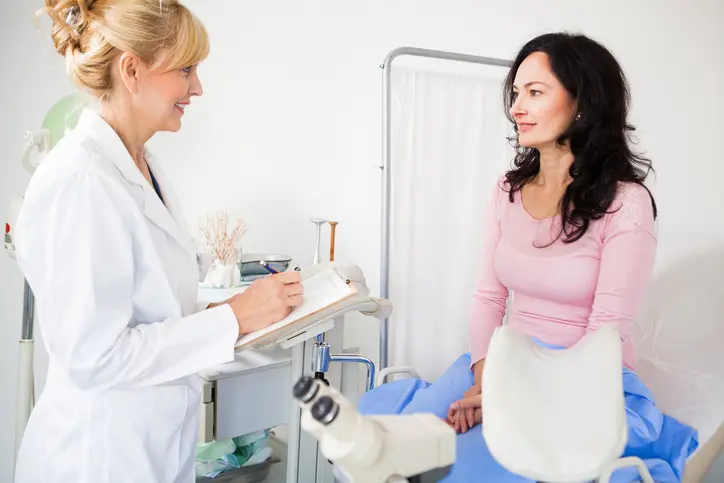
You do not have to wait until the prolapse is severe to act. Early evaluation at Aguirre Specialty Care means gentler options are still on the table, and it rules out the small number of cases that need prompt attention, such as trouble emptying the bladder. Dr. Aguirre treats a bulge you can feel, symptoms that limit your activity, or any new bladder and bowel changes as clear reasons to come in.
Treatment Options at Aguirre Specialty Care
Treatment scales to severity, and it does not automatically mean surgery. Aguirre Specialty Care matches the approach to your prolapse type and goals.
|
Option |
Type |
Best For |
|
Pelvic floor physical therapy |
Non-surgical |
Mild prolapse and prevention of progression |
|
Vaginal pessary |
Non-surgical |
Support without surgery; a removable device that holds the organs in place |
|
Reconstructive pelvic surgery |
Surgical |
Moderate to severe prolapse or when conservative care is not enough |
For advanced cases, Dr. Aguirre performs reconstructive repair to restore the natural position of the pelvic organs, tailored to whether the bladder, rectum, or uterus is involved.
What a Prolapse Evaluation Involves
Knowing the steps takes the mystery out of the visit. Aguirre Specialty Care follows a clear path:
- Review your symptoms, history, and the daily pressures that may be contributing.
- Perform a focused pelvic exam to identify which organs have descended and to what degree.
- Grade the prolapse so progression can be tracked over time.
- Discuss a plan with Dr. Aguirre, starting with the least invasive option likely to control your symptoms.
That grading step is what turns “it feels worse” into a measurable, trackable finding.
Frequently Asked Questions
Will my prolapse definitely get worse?
Not necessarily. Mild prolapse can remain stable for years, especially when contributing factors are managed. Aguirre Specialty Care helps you slow or halt progression with early, targeted care.
Can exercises reverse prolapse?
Pelvic floor therapy can strengthen support and relieve symptoms in mild cases, but it cannot lift a significantly descended organ back into place. Dr. Aguirre will tell you honestly where therapy helps and where it does not.
Do I need surgery?
Many women manage prolapse with a pessary or physical therapy for years. Surgery becomes the better option for moderate to severe prolapse or when non-surgical care no longer controls symptoms.
Is prolapse dangerous?
Prolapse is rarely an emergency, but it can affect quality of life and, in advanced cases, bladder or bowel function. An evaluation identifies whether yours needs active treatment now.
Do Not Wait for It to Get Worse
A prolapse you can feel today is easier to manage than one you ignore for a year. Schedule your pelvic organ prolapse evaluation at Aguirre Specialty Care and let Dr. Aguirre grade your prolapse, address what is driving it, and match you to the least invasive treatment that keeps it from advancing.
Aguirre Specialty Care: Pelvic Surgery and Intimate Aesthetics. Experts in pelvic organ prolapse treatments for women in Parker and the greater Denver area.