



You read the words “vaginal rejuvenation” on a website at 11 p.m., close the laptop, and decide you must have misunderstood what the procedure actually does. That hesitation usually comes from a myth, not from medicine. Vaginal rejuvenation describes a group of surgical and non-surgical treatments that restore tissue tone, moisture, and comfort, yet the term collects more misinformation than almost any service in women’s health. At Aguirre Specialty Care in Parker, Colorado, Dr. Oscar A. Aguirre separates clinical reality from rumor so you can decide based on facts.
What Is Vaginal Rejuvenation?
Vaginal rejuvenation is a category of gynecologic treatments that restore the structure, moisture, and function of vaginal and vulvar tissue. The category includes surgical procedures such as vaginoplasty and labiaplasty and non-surgical options such as fractional laser therapy. These treatments address laxity, dryness, and discomfort caused by childbirth, aging, and hormonal change.
If that definition already sounds different from what you expected, you are not alone. Most women arrive at our Parker clinic carrying assumptions absorbed from tabloids rather than from physicians. The practice exists to replace those assumptions with evidence.
Myth vs. Fact: A Quick Reference
|
Common Myth |
Clinical Reality
|
|---|---|
|
“It is purely cosmetic, a designer vagina.” |
Most treatments target function: leakage, dryness, and pain. Appearance is often a secondary benefit. |
|
“It permanently reduces sensitivity.” |
Laser and surgical techniques frequently improve sensation by restoring blood flow and removing excess tissue. |
|
“It always means surgery.” |
Non-surgical options such as FemiLift use fractional laser energy with no incisions. |
|
“Only older women need it.” |
Patients range from postpartum mothers in their 30s to women navigating menopause. |
|
“Results are temporary and not worth it.” |
Surgical correction is durable, and laser protocols maintain results with periodic sessions. |
Myth #1: “It Is Just a Designer Vagina”
The phrase “designer vagina” reduces serious medical care to a vanity purchase, and it keeps many women from asking real questions. Here is the reality: the majority of women who consult Dr. Aguirre describe function, not fashion. They report chafing during a spin class, urinary leakage after a sneeze, or pain that interrupts intimacy. Labiaplasty, a procedure that reshapes enlarged labial tissue (labial hypertrophy), relieves the friction that makes leggings and cycling unbearable. Aguirre Specialty Care treats those symptoms as legitimate medical concerns, because they are.
Myth #2: “Vaginal Rejuvenation Reduces Sensitivity”
This myth gets the biology backward. Laser Vaginal Rejuvenation stimulates fibroblasts, the cells that manufacture collagen, which thickens the vaginal mucosa, the moist tissue lining the canal. Thicker, better-vascularized mucosa restores nerve responsiveness. Restored responsiveness often heightens sensation rather than dulling it. With labiaplasty, removing excess skin can uncover anatomy that was previously buried, a change many patients experience as a gain. Dr. Aguirre selects each technique based on your anatomy, never a one-size template.
Myth #3: “It Always Requires Surgery and a Long Recovery”
Surgery is one path, not the only path. Non-surgical vaginal rejuvenation uses energy-based devices to remodel tissue without incisions. FemiLift, a fractional CO2 laser treatment, delivers micro-columns of heat that trigger neocollagenesis, which essentially means the body builds fresh collagen in the treated zone. Morpheus8V combines microneedling with radiofrequency to tighten deeper layers. Both treatments let most women return to normal activity the same day. The Parker practice matches the modality to the severity of your symptoms, so mild laxity rarely needs an operating room.
How Laser Vaginal Rejuvenation Actually Works
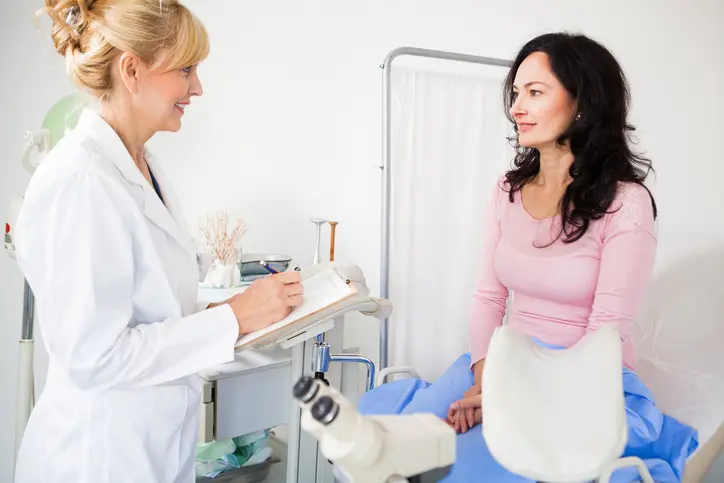
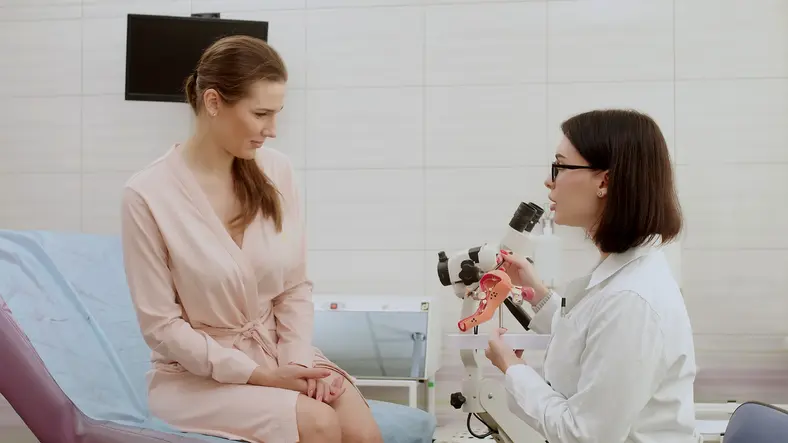
- Consultation and exam. Dr. Aguirre evaluates tissue tone, moisture, and symptoms, then confirms whether laser therapy or surgery fits your goals.
- Treatment mapping. The clinic identifies the zones of atrophy or laxity that need the most attention.
- Laser application. FemiLift delivers fractional energy in a brief in-office session, with no general anesthesia.
- Collagen remodeling. Over the following weeks, fibroblasts produce new collagen that thickens and tightens the treated mucosa.
- Follow-up. Aguirre Specialty Care reassesses your results and schedules maintenance sessions only if your symptoms call for them.
Frequently Asked Questions
Is vaginal rejuvenation painful?
Laser sessions such as FemiLift feel like mild warmth and vibration, and most women describe little to no downtime. Surgical procedures use anesthesia, and Dr. Aguirre manages recovery with a clear aftercare plan.
How long do results last?
Surgical results from labiaplasty or vaginoplasty are long-lasting. Laser results from FemiLift typically hold for one to two years, and a single maintenance session refreshes the collagen response.
Can I combine treatments?
Yes. Many patients at Aguirre Specialty Care pair surgical correction with laser resurfacing to address both structure and tissue quality in one plan.
Is it only for women after childbirth?
No. The practice treats women across life stages, including those experiencing genitourinary syndrome of menopause, the cluster of dryness and irritation symptoms that follows estrogen decline.
Stop Letting Myths Make the Decision for You
Myths thrive in silence, and silence keeps women from care that restores comfort and confidence. If outdated rumors have made you hesitate, replace them with a conversation. Schedule a consultation for vaginal rejuvenation with Dr. Aguirre at Aguirre Specialty Care in Parker today.
Aguirre Specialty Care, specialized vaginal rejuvenation and intimate wellness for women in Parker and the greater Denver region.